From Influence to Impact: What PR & Creator Marketing Is Getting Right (and Wrong)
7 May 2026
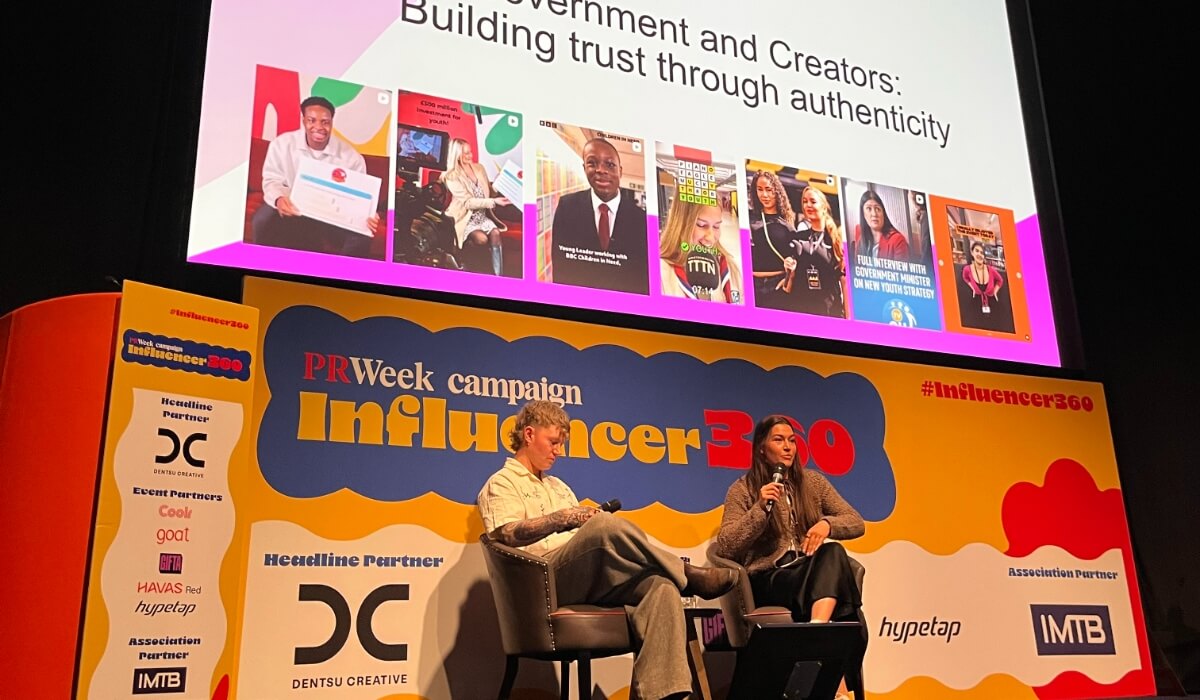
As an Influencer Executive at Brazen, I see first-hand how quickly this space is evolving and after hearing from speakers at PR Week’s Influencer360 event last week, one thing became clear: influencer partnerships are no longer just about chasing reach. They are about building ecosystems rooted in authenticity, community, and measurable impact.
Here are five key takeaways shaping the future of influencer marketing, and what brands and agencies should do next.
1. Authenticity Is the Baseline
The most consistent theme across every session was simple: authenticity matters.
Audiences, especially Gen Z, expect creators to show up as their real selves, not polished extensions of a brand. As a result, influence has shifted; for younger audiences, role models are now creators, not traditional celebrities. Which means brands can’t afford to fake alignment. If it doesn’t feel right, it won’t land.
The most effective approach is using a mix of creators with clear roles. Macro influencers drive scale and awareness, while micro and local creators are increasingly valuable for building trust, relatability and genuine conversation within specific communities.
As engagement becomes more about connection than reach, smaller creators often deliver deeper impact. We’ve seen this firsthand at Brazen, particularly when launching a preventative health brand in Manchester, where local creators played a key role in building on-the-ground relevance and buzz.
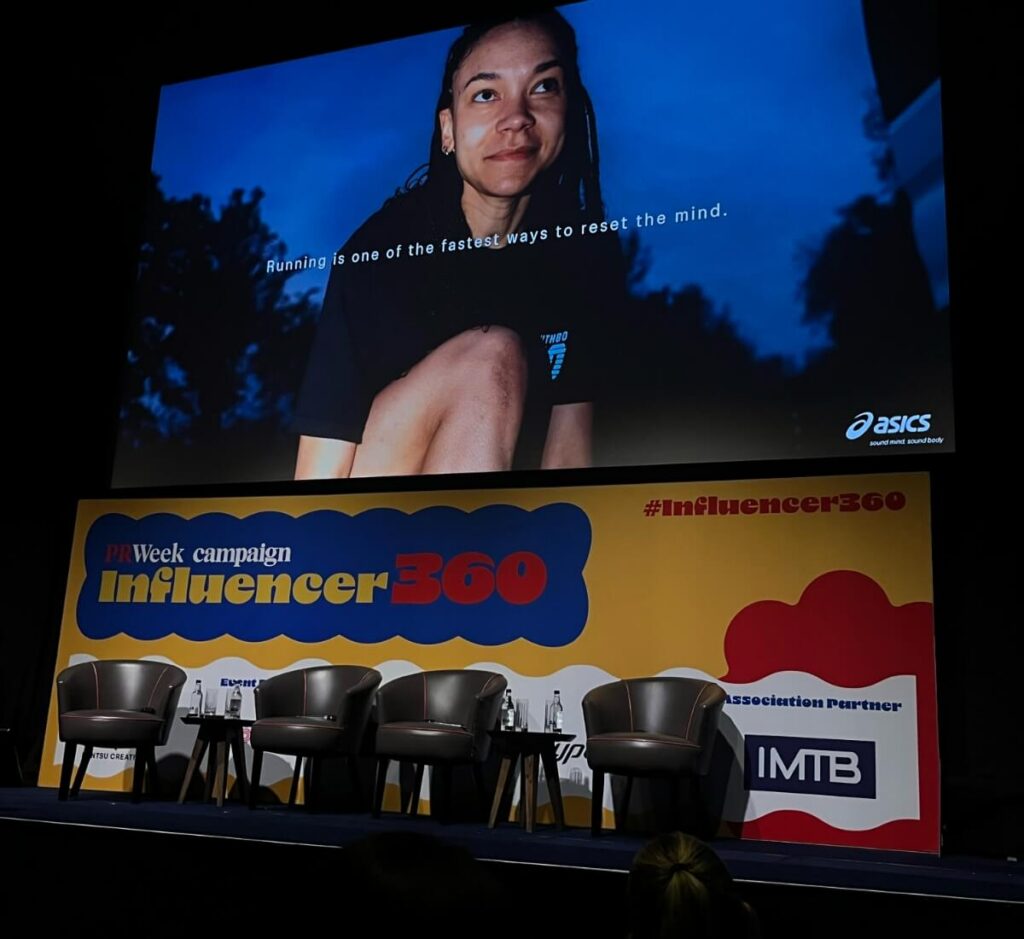
2. Storytelling Wins Attention, But Only If You Earn It Fast
In a world of endless scrolling, capturing attention is half the battle. Keeping it is the rest.
Creators highlighted how difficult it is to compress complex narratives and key brand messaging into short-form content. It’s something we see time and again when reviewing influencer content – the strongest-performing posts don’t feel like ads at all.
Whether it is years of history or a brand story, success hinges on a few non-negotiables:
- A strong, creator-relevant hook
- Social-first storytelling built for the platform
- Seamless integration of brand elements, not forced placement
Despite what you may think, brand messaging does not always have to come first with creators. When content feels authentic, audiences are more likely to stay to the end, even if it is sponsored. In fact, leading with overt branding too early can drive users away. Success comes from creating native content that works with the feed, not against it.
3. Transparency Builds Trust (and Doesn’t Hurt Performance)
This is an interesting and somewhat contentious point that comes up often in conversations with brands. There is still a lingering fear that labelling content as an ad will reduce engagement. However, data from a study by IMTB and HypeAuditor suggests otherwise.
Clear disclosures do not damage performance; they can actually increase trust. Audiences are more than willing to engage with sponsored content if it is entertaining, relevant, and honest.
Compliance is tightening, especially in the UK and EU. Regulators now have the power to fine brands for misleading content, and disclosures must be upfront and obvious rather than buried in the caption. With technology increasingly being used to detect non-compliance, there’s far less room for error.
Transparency now plays a strategic role in building credibility and strengthening audience trust.
4. The Marketing Funnel Has Collapsed: We’re Now Operating in a Discovery Web
The traditional marketing funnel no longer reflects how people discover and buy. With creators shaping behaviour and AI curating information, the journey is now a discovery web; non-linear, fast-moving and influenced by multiple touchpoints at once.
This elevates the role of creators. Their content doesn’t just drive one stage, it can influence awareness, consideration, purchase and advocacy in a single moment.
But siloed influencer approaches don’t drive the most impact. To show up effectively across this discovery web, brands need to work in a fully integrated way across the PESO model (paid, earned, shared, owned).
Measurement needs to follow suit. Instead of default metrics, focus on what matters; engagement quality, sentiment, search visibility, community growth and real business impact. Comments and conversations are now one of the strongest signals, acting as a real-time focus group for how your brand is landing.
5. Community Is the New Battleground for Gen Z
From what I’m seeing across successful campaigns and influencer content, the shift towards niche communities is only accelerating. Gen Z is better understood as a network of niches and communities rather than a single, uniform audience. Brands that fail to understand this will struggle to stay relevant.
This generation sees thousands of ads every day, is less brand loyal, and switches easily based on value and relevance. They research extensively before making purchases and prioritise content that feels native to their world.
So how do you break through?
By showing up inside communities, not talking at them. That means partnering with creators who already have trust within niche groups, creating content that entertains first and sells second, and understanding psychographics, not just demographics.
Final Thoughts
From my perspective, the shift is clear: influencer marketing has evolved into a fully integrated ecosystem that is rewriting the rules of communication, trust, and influence.
It shapes reputation, fuels discovery and impacts how brands show up across social, search and AI. Which means the fundamentals matter more than ever; choosing the right creators, building real partnerships and delivering content people actually care about.
In a world where everyone has a voice, the brands that win won’t be the loudest, they’ll be the most authentic.
If you’re looking to evolve your influencer strategy, whether that’s building the right creator mix or creating content that truly resonates, we’d love to help. Get in touch at influencers@wearebrazenpr.com to see how we can support your next campaign.