England’s World Cup dream may be over, but the tournament still produced some standout marketing. Deliveroo and Tesco both found clever ways to tap into the nation’s football fever, while the British Museum brought one of history’s most famous artworks to life in spectacular fashion. But while those campaigns won attention for the right reasons, TikTok found itself under fresh regulatory scrutiny over child safety.
HAILS
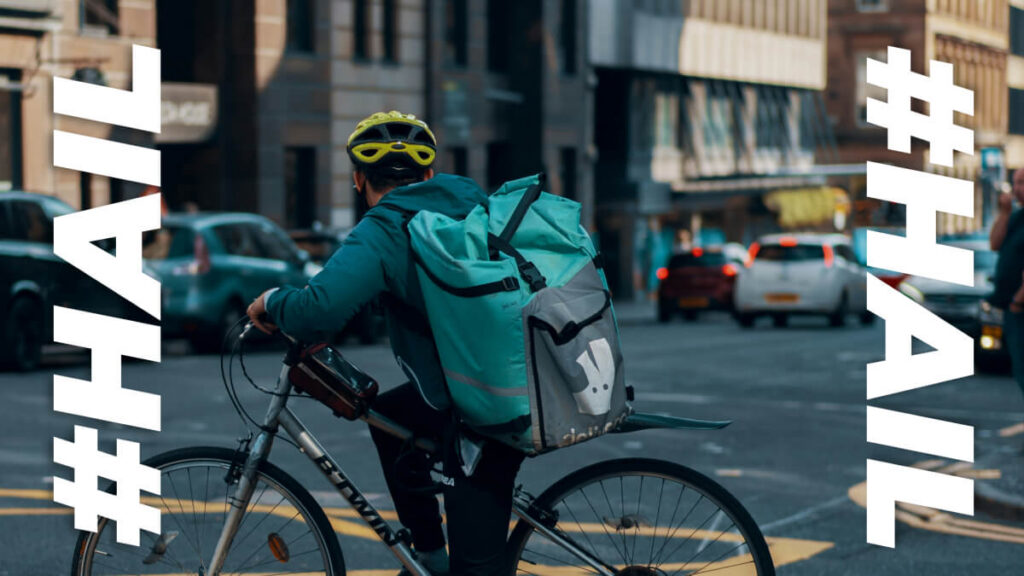
Deliveroo crowns the ultimate Jude Bellingham lookalike
Deliveroo hosted a Jude Bellingham lookalike contest in London, with dozens of hopefuls turning up to compete for a £1,966 voucher. It perfectly tapped into the internet’s obsession with celebrity lookalike competitions while adding a football twist at just the right moment. A brilliantly daft idea that generated far more attention than its prize suggested.
Tesco turns Wembley into Britain's luckiest supermarket
Tesco transformed its Wembley store into “Britain’s Luckiest Supermarket” ahead of England’s World Cup semi-final, encouraging shoppers to do their bit for the Three Lions. Wooden trolley and basket handles urged customers to “touch here for luck”, matching wooden till dividers carried the same message, and signage outside the store gave supporters one final chance to touch wood before kick-off. It’s a lovely insight-led campaign that celebrates the strange superstitions football fans can’t help but believe in.
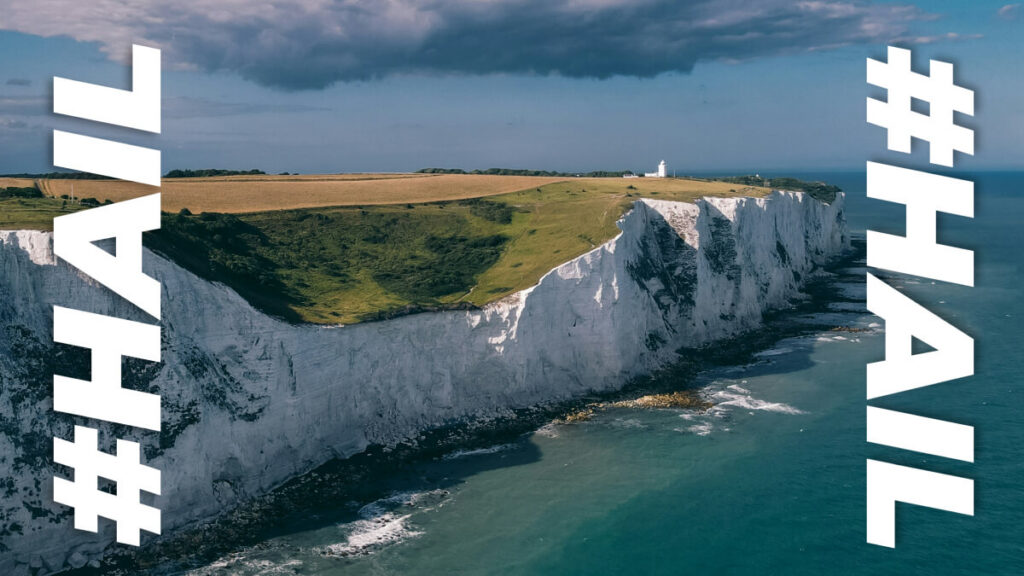
The British Museum lights up the White Cliffs
The British Museum projected a giant section of the Bayeux Tapestry onto the White Cliffs of Doverto mark the arrival of the famous artwork in the UK for the first time in almost 1,000 years. The scale of the projection made for an unforgettable visual, turning a landmark into a canvas and a history lesson into a genuine spectacle. A brilliant example of using place to amplify a cultural moment.
FAIL
TikTok faces fresh child safety investigation
TikTok is being investigated by Ofcom over whether it has done enough to protect children using the platform. The regulator is examining the effectiveness of the platform’s age assurance and wider safety measures under the Online Safety Act. The investigation is at an early stage and no conclusions have been reached, but it’s another reminder that technology companies face ever-increasing scrutiny over how they safeguard younger users.
The UK consumer has changed. Has your marketing & comms approach?
Our latest Mind The Gap report explores how financial pressure, AI and shifting priorities are reshaping consumer behaviour across the UK — and why one-size-fits-all marketing no longer works.